Short answer: moisture you cannot wipe, sitting between the two panes, is a failed sealed unit. Replace the glass if the sash and frame are sound. Moisture on the inside face that you can wipe away is condensation from the room. That wants ventilation and heat patterns looked at, not a new window by default.
The short answer
There are three places water shows on a double-glazed window. On the room side, on the outside face on a spring morning, and in the gap. Only the gap means the unit has failed. Outside condensation on a cold, clear morning often means the glass is insulating well — the outer pane is cold enough to dew. People replace perfectly good low-emissivity glass because nobody told them that.
Inside-face condensation is the household: cooking, drying clothes, showers, a closed vent, a bedroom with the door shut and no trickle of fresh air. We see it constantly on surveys in Staffordshire and Cheshire, including on new glass. New glass can reduce it by being warmer. It will not remove the moisture you keep putting into the room.
Failed units: what you are seeing
A sealed unit is two or three panes with a spacer and a seal. Desiccant in the spacer keeps the cavity dry. When the seal fails, moist air enters, the desiccant saturates, and mist or deposits appear in the cavity. You cannot dry it with a heater. Silicone on the edge does not remake the factory seal.
Replacement is usually the sealed unit only: the glass pack, not the whole frame, if the sash is sound and the beads come out cleanly. Older softwood or a rotten bead may turn a glass job into a sash job. That is a survey call, not a guess from the pavement.
Room-side condensation
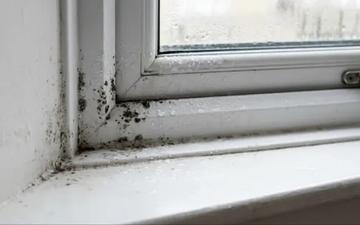
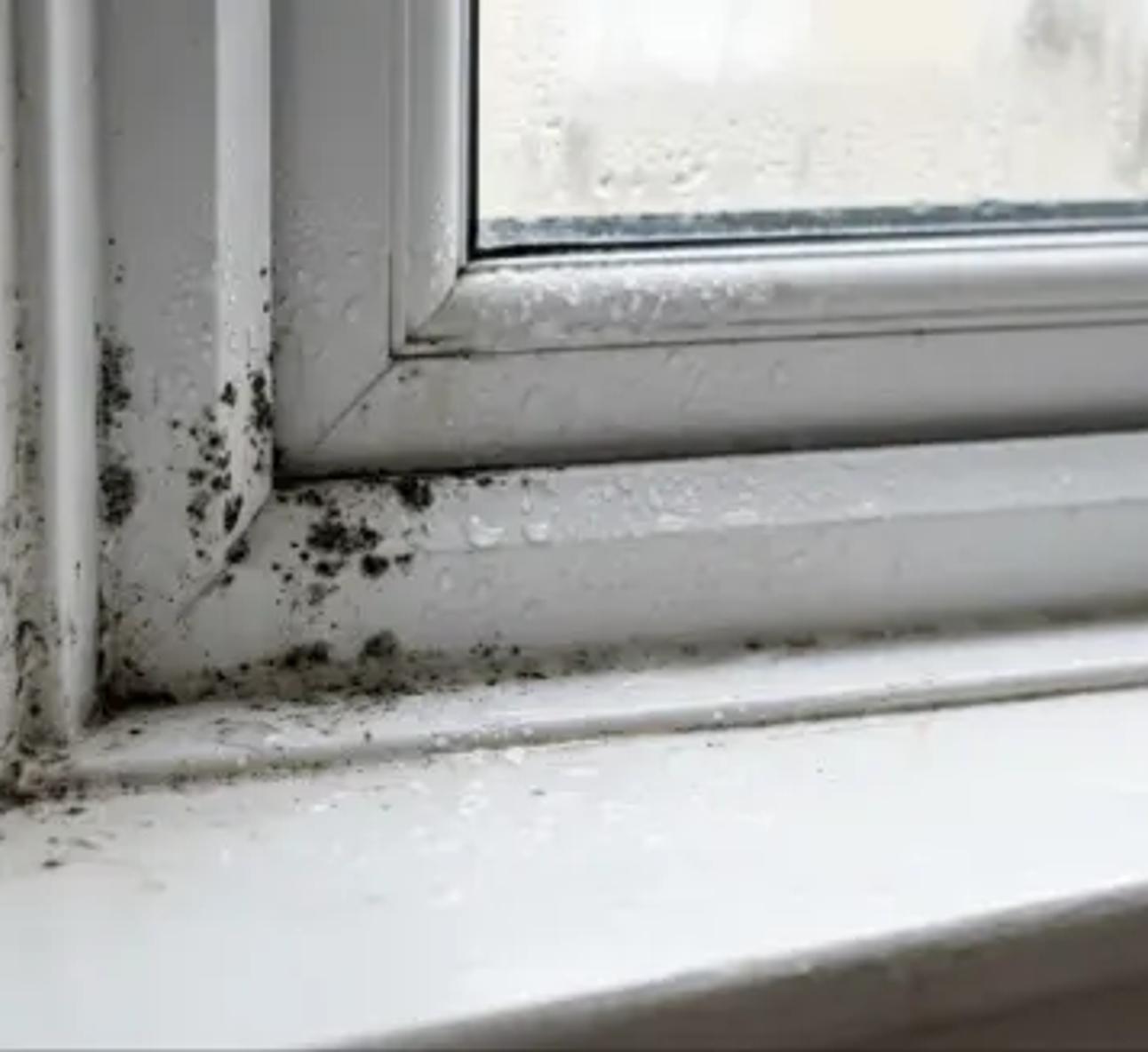
Warm wet air hits a colder surface and drops water. Glass is an obvious surface; so are cold aluminium spacers at the edge, and so are uninsulated lintels. You will see it first in bathrooms, kitchens and bedrooms with the curtains closed tight. Mould on the silicone and the cill follows if the water sits.
Practical checks: trickle vents open, extract fans that actually run and discharge outside, doors closed to the steamiest rooms, and a heating pattern that does not leave the glass freezing all evening. A dehumidifier can help you see the scale of the moisture. It is not a substitute for a fan that was ducted into the loft by mistake. If every window in a wet room pours and the glass is modern and clear in the cavity, do not start with replacement.
When replacement of the whole window is the honest job
Replace the window when the unit has failed and the frame is cracked, brittle, or out of square; when the beads are welded or glued in a way that destroys the sash; when you need a different opening style or a ventilation path the old frame cannot take; or when several units have gone and you are changing the elevation anyway. One misted bathroom is not that list.
Also replace, or at least respecify, if the “double glazing” is an old secondary pane taped to a sash, or a unit so thin and so far gone that a like-for-like replacement would be a poor use of the opening. We will say if the frame deserves better glass than it was born with, and if the frame cannot accept it.
Edge mist, pattern and the limits of matching
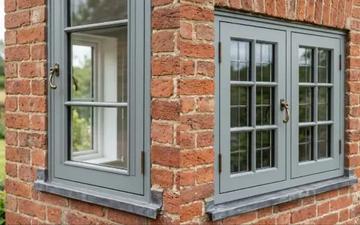
A new unit will not always disappear into a 20-year-old elevation. Coatings have changed, tints have changed, and decorative glass may be discontinued. Leaded and georgian patterns need a decision: true bars, duplex bars, or a plain unit. Write that down. A plain unit in a house of leaded lights is a visible repair.
The spacer bar colour and the depth change the edge. If you are sensitive to it, ask to see the glass build-up before it is made. Obscure glass has a smooth side and a patterned side; the pattern usually faces in a specific direction so it can be cleaned. Say which room is a bathroom so the specification is not clear glass by default.
What we need in writing
- Which openings fail the wipe test
- Unit replacement or full frame, per opening
- Glass type, safety, obscure, and any coating
- Whether gaskets and beads are included
- A note if the real issue is room moisture rather than the seal
- Who warrants the new unit and the labour
When to book a survey
Book a survey if the cavity is misted, if you are unsure which side the water is on, or if mould has taken the silicone and you want to know whether the window is part of the cause. A daytime photo of the glass edge helps us prepare; the beads and the vents still need eyes on them.
If the unit is dead and the frame is fine, we will price glass. If the house is wet and the glass is fine, we will say that too. Replacing clear, intact double glazing does not dry a house that has nowhere for steam to go.
Questions we hear on survey
Why do new windows condensate outside?
The outer pane stays colder because less heat is leaking through. On still, humid mornings it dews. It clears. That is not a failed unit.
Will trickle vents stop mist between the panes?
No. Vents change room air. They do not reseal a unit. They can reduce room-side condensation if the rest of the ventilation is sensible.
Can you match my old glass exactly?
Often closely, not always perfectly. Coatings and obscure patterns move on. We would rather show you the difference than promise a twin of a 25-year-old pane.
Is a failed unit dangerous?
It is a performance and a visibility problem. It becomes a safety problem if the glass is in a critical location and the replacement is ordinary annealed glass where safety glass is required. Specify that properly; do not ignore it because the old unit was wrong.