Short answer: if the mist is between the panes and you cannot wipe it off, the sealed unit has failed and the glass needs replacing. If the mist is on the room face, or if you feel a draught at the seal, you may not need a new window at all. Rain coming in is a third problem: frame, cill or external seal.
The short answer
Double glazing fails in a particular way. Two panes are sealed around a spacer bar with a dry gas or air gap. When that seal gives up, moist air enters the gap and you see condensation or a milky bloom that no cloth will touch. That is a glass replacement, provided the frame, the hinges and the locking points are still sound.
Homeowners in Staffordshire and Cheshire often get told the whole window is “blown” because one bedroom clouds over in the morning. Sometimes that is true of the unit. Sometimes the room is wet, the vent is shut, and the glass is fine. The bill for those two diagnoses is not the same.
Misted units
A failed unit often starts at the edge: a grey rim, droplets on cold mornings, then a general haze. South-facing and dark-framed windows work harder, but age is the usual cause. Units from the 1990s and early 2000s are simply at the end of the seal life. One failed pane in a house of twelve does not prove the frames are finished.
Glass-only replacement is realistic when the beads come off without destroying the sash, the unit size can be made, and the frame is not twisted. Leaded or astragal patterns, very slim units, and odd shapes cost more and take longer. Safety glass is required in critical locations — low glass beside doors, bathrooms, and anywhere someone can fall through. The replacement should match that, not “whatever was in there”.
Draughts that are not failed glass
A draught at the handle side is often a lock that no longer pulls the sash in, a worn keep, or a hinge that has dropped. You can have crystal-clear glass and a cold room. Adjustment, new keeps, or a new weather seal is the repair. A draught under the cill is sometimes the sealant or the board, not the glass.
Letterboxes, loft hatches, chimney breasts and extractor fans that do not close also move air. If only one window whistles when the wind is on that elevation, look at that sash. If the whole house feels thin on a still day, do not start by ordering twenty units.
Leaks after rain
Water on the cill after a storm is ingress until proven otherwise. It can be open weep holes blocked by paint, a failed perimeter seal, a cracked cill, or a window that was foamed in and never capped. It can also be condensation that pooled and was mistaken for a leak. The test is timing: during or just after driving rain, versus every morning in winter whether it rained or not.
Do not seal every weep hole because water appeared. Those holes are how the frame drains. A survey should say where the water travelled. Internal redecorating before that is how people trap the next leak behind new plaster.
When the frame should go as well
Replace the frame when it is brittle, when the weld has cracked, when the sash will not lock because the opening is out of square, or when you are already changing colour, style or ventilation and the old beads will not accept the glass you want. Also replace when the unit failure is the least of it: rotten timber subframes, failed lintels, or a bay that has moved.
There is a middle path. Some houses need three new units, two adjusted sashes, and one full window because that opening faces the weather. A quote that only offers “all new” or “all repair” is not looking at the openings.
What to ask for in writing
- Which openings have failed units, which draught, and which leak
- Glass build-up, including safety and any coating you already paid for
- Whether beads, gaskets and decorative bars are included
- Who removes the old unit and how the sash is left
- A separate price for full frames where the survey says the frame is finished
- Guarantee: glass seal, and installation, named separately
When to book a survey
Book a visit if you can see mist you cannot wipe, if water stains the plaster, or if a sash has dropped so the lock misses. A clear photo of the edge of the glass in daylight, plus a note of which rooms, is enough to triage. We still need to see the beads and the hinges before promising a glass-only repair.
If the frames are a sound system and only the units have died, we would rather replace glass than sell you a new elevation. If the frames are done, we will say so and specify the new window properly, including how it sits in the reveal.
Questions we hear on survey
Can I just defog the unit with a drill?
Drilling the edge lets the mist out for a while and lets dirt in permanently. It is not a repair. The seal has already failed.
Will new glass stop mould on the sill?
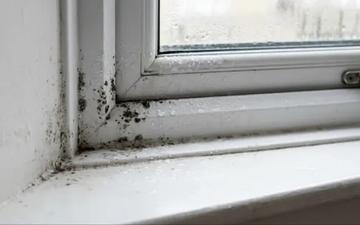
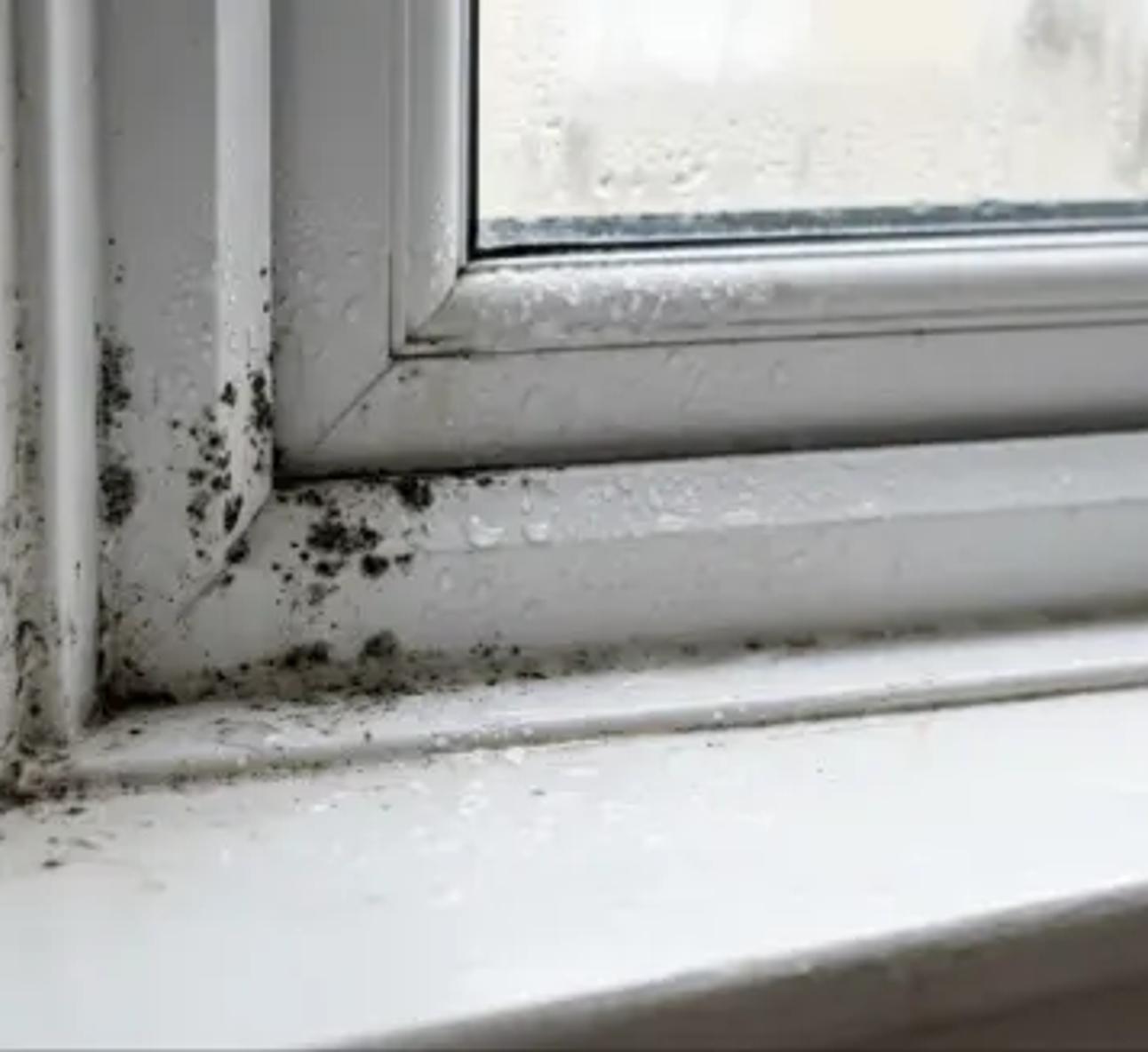
Only if the mould was caused by a failed, cold, wet unit. Surface mould from room moisture can remain. Deal with the moisture as well as the glass.
Are all misted units the same price?
No. Size, shape, safety glass, coatings and whether the sash must come out all change the job. Patterned bathroom glass and leaded lights are not the same unit as a clear rectangle.
Should I replace every window if one has failed?
Not automatically. Check the others for edge mist and for frames that will not adjust. Replace the failures and plan the rest. A whole-house replacement is a style and performance decision, not a law of physics.