Short answer: choose a flush casement when the outside of the house needs a flat, traditional sash line, and a standard casement when a stepped frame is already part of the elevation or the budget and glass specification matter more than that line. The opening size alone does not decide it.
The short answer
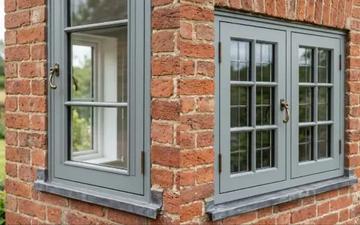
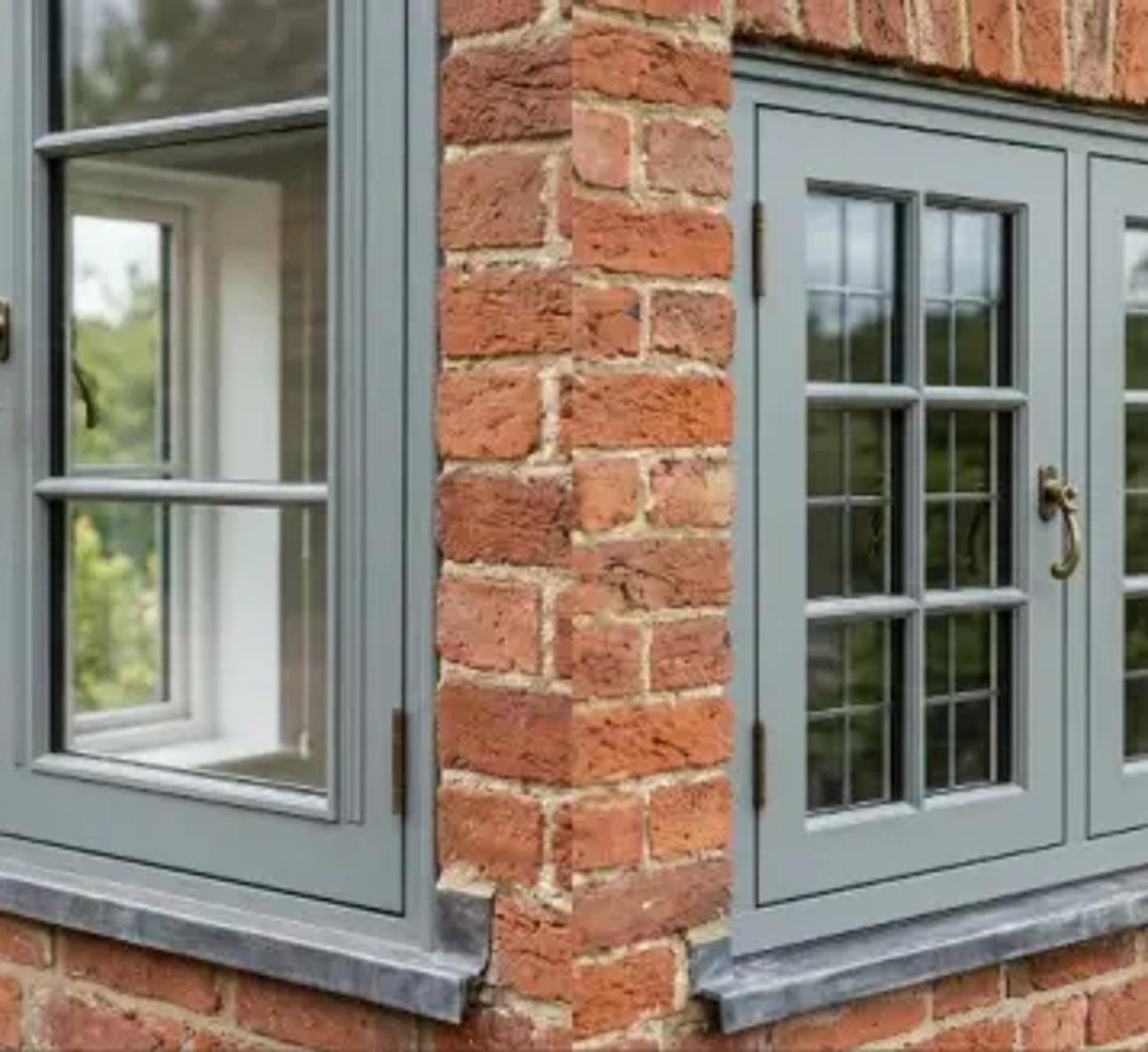
A flush casement is built so the opening sash sits nearly level with the outer frame. From the street the window reads as one plane, closer to a timber casement than to a chunky plastic frame with the glass set back. A standard casement keeps a visible step: the sash sits inside the outer frame, so you see a shadow line around each opening light.
Both can be outward opening, both can take the same sorts of glass, trickle vents and locking hardware, and both can be white, foiled or painted. What changes is the profile, the joint, the way the window sits in the reveal, and often the price tier. On a 1930s semi in Stoke-on-Trent or a cottage in Cheshire, that sightline is usually the first thing a planner, a neighbour or you will notice.
What you actually see from the pavement
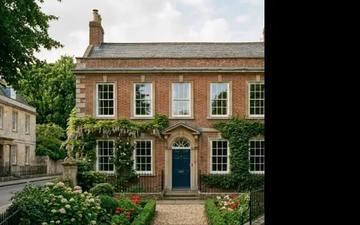
Stand across the road, not in the hallway. Flush windows are chosen because the outer face looks calmer on brick, render and stone. The sash does not disappear into a deep rebate, so glazing bars, if you have them, sit where a timber bar would have sat. Standard casements can look perfectly correct on later houses, extensions and places where the existing frames already step back. Forcing a deep heritage profile onto a flat 1980s elevation can look as odd as putting a stepped frame into a Victorian bay.
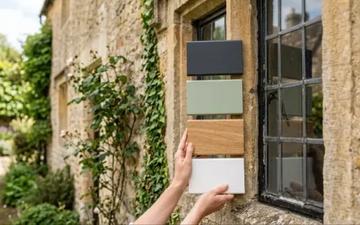
Colour changes the read. Anthracite and Painswick show every joint and every step. White hides more. A foiled woodgrain on a standard casement still will not become a flush window. If the house is in a row, look at the neighbours only as context: matching the street matters, copying a poor previous replacement does not.
Frame, glass and the reveal
Flush systems are often deeper or more sculpted. That affects how much glass you keep, how the cill sits, and whether add-on trims are needed to cover old plaster lines. A standard casement can sometimes give a slightly larger clear opening in the same structural hole, because less of the profile is spent on the external flush detail. Measure the reveal: if the existing timber is set well back, a flush frame may need packers, a new cill, or a different liner so it does not stick proud of the brick.
Bay windows are a separate survey. The corner posts, the soffit and the load above the bay matter more than the word flush. A flush sash on a bay still needs a frame that can be coupled correctly. If the bay is structural, do not treat it as three ordinary windows with a nicer profile.
Planning, conservation and listed homes
In many houses, replacing windows with a similar appearance is straightforward. In a conservation area, on a listed building, or where an Article 4 direction removes permitted development, the external appearance can be the point of the application. Flush uPVC is sometimes accepted as a timber-like alternative and sometimes refused because it is still plastic. That decision sits with the local authority, not with a profile brochure.
Before you order, check whether the property is listed, whether the street is in a conservation area, and whether previous replacements on the row were approved. We survey and we can talk through what the elevation is asking for. We do not give planning consent, and a deposit paid before that check is how people end up with the right windows for the wrong house.
What the written quote should name
A fair comparison prices the same openings, the same colour, the same glass and the same making-good. The quote should name the system, not “premium flush” or “standard A-rated”. It should say whether the sash is flush, whether dummy sashes or astragal bars are included, which cill, which trickle vents, and who removes the old frames.
- Named profile and whether the sash line is flush
- Colour, including dual colour if the inside stays white
- Glass: safety, acoustic, solar control, and whole-window U-value for that size
- Cill, trims, and how the frame sits in the reveal
- Vents, handles, restrictors and egress where a window is an escape route
- Who makes good plaster, renders and external sealant
Where people waste money
The expensive mistake is specifying flush on every opening because one front bedroom needs it. Rear elevations, bathrooms and new extensions can take a simpler casement if the sightline does not matter and the glass specification is the same. The cheap mistake is buying a stepped frame for a formal frontage and then paying again for trims that never quite fake a flush line.
Another trap is comparing a flush quote with decorative joints and heritage hardware against a standard quote with white handles and no bars. They are not the same window. Ask for both systems on one schedule so the difference is the frame, not a list of extras hiding in one total.
When to book a survey
Book a survey when the front elevation is the reason you are replacing, when a bay, a stone surround or a deep reveal is involved, or when planning might care what the outside looks like. Bring any conservation notes and a photo of the whole house, not just one rotten cill.
If you want to see the sash line before you decide, the showroom is the right place. A 50 mm swatch will not show whether Residence-style flush or a standard casement belongs on your brick. We fit across Staffordshire and Cheshire, including Newcastle-under-Lyme and Stoke-on-Trent, and the written quote follows the survey, not a guess from a doorway width.
Questions we hear on survey
Will flush windows always look more expensive?
From the street, often yes, because the line is cleaner. On the quote, they are usually a higher specification than a basic casement in the same colour. That is a product difference, not a rule that every house should pay for it.
Can I mix flush at the front and standard at the back?
Yes, if you are happy that the two elevations will not match when you walk around the house. Many people do exactly that. Say so on the schedule so the glass, colour and hardware still match.
Is flush the same as a sash window?
No. Flush casements open on hinges. Sliding sash windows slide vertically. A flush casement can suit a period house; it does not copy the operation or the meeting rail of a true sash.
Do I need new cills?
Often the cill is part of the job, especially if the old one is timber, cracked, or the wrong depth for the new frame. The survey should say whether the cill stays, is capped, or is replaced.