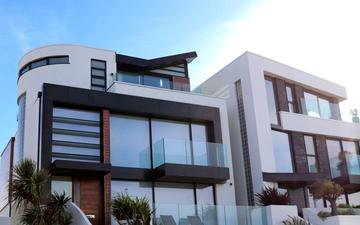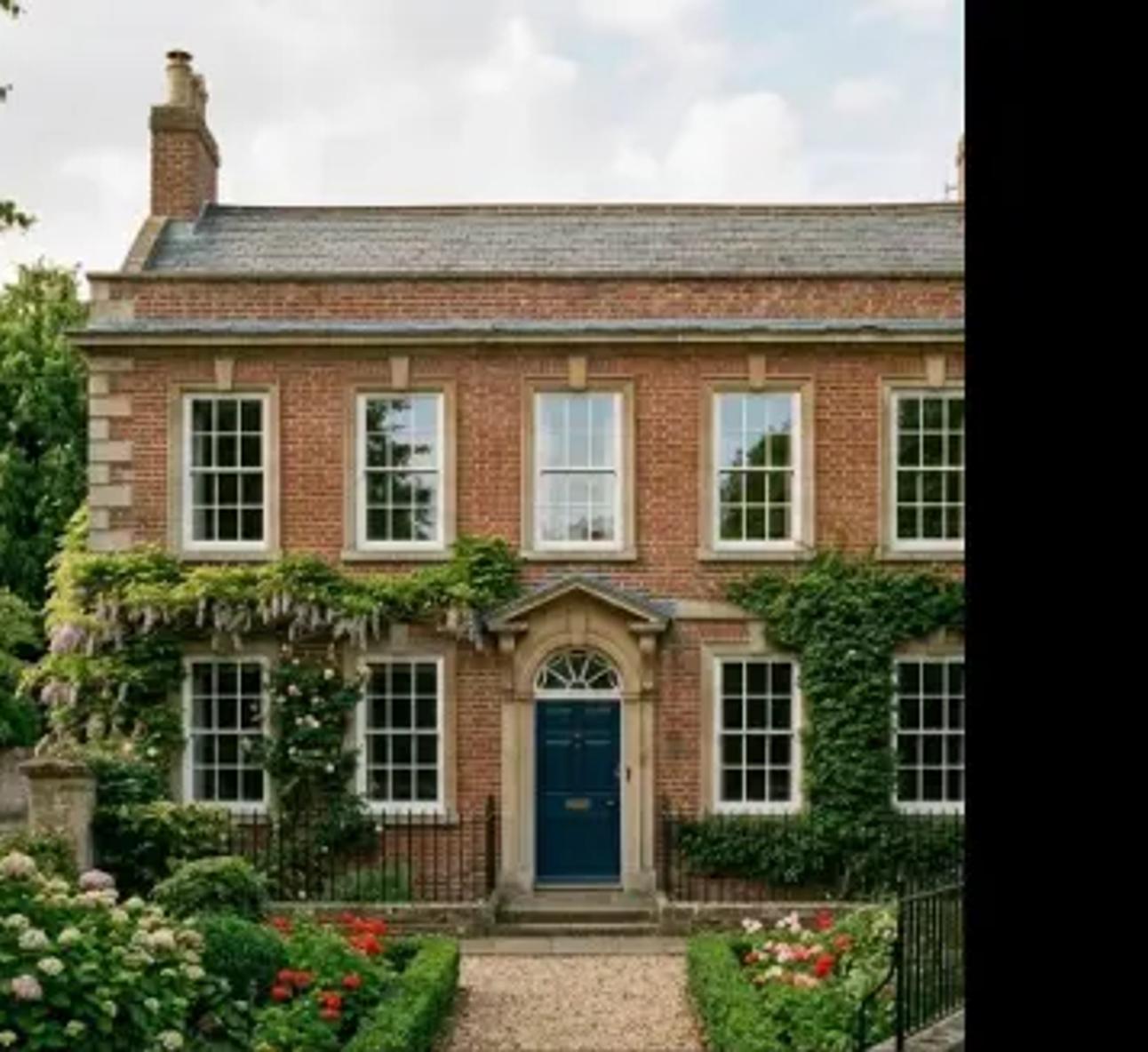
Short answer: on many ordinary houses, replacing windows with windows of a similar appearance does not need a planning application. If the building is listed, in a conservation area, or covered by an Article 4 direction, assume you must check before you order. The local planning authority decides, not the window company.
The short answer
Planning and building regulations are different. Planning cares about appearance and designated buildings. Building regulations care about things like ventilation, safety glass and thermal performance when work is done. You can need one, both, or — on a straightforward like-for-like replacement — neither as a formal application. Guessing from a neighbour’s job is how deposits get spent on the wrong windows.
We survey homes across Staffordshire and Cheshire, including streets in Newcastle-under-Lyme and Stoke-on-Trent where one side of the road is controlled and the other is not. We can describe what is on the elevation. We cannot grant consent.
When people usually do not need an application
Permitted development rights often allow replacement windows on a typical house, provided the new windows are not a dramatic change and other limits are met. There are extra limits on flats, on some new houses where rights were removed, and on side windows that affect neighbours. “Usually” is not “your house”. The planning portal and the local authority’s map are the check, and if you are unsure, a lawful development certificate is the formal way to be sure.
Even when planning is not required, the installation can still need to meet building-regulation standards for the work you are doing. That is a separate box. A fitter who says “no planning, so no rules” is collapsing two systems into a slogan.
Conservation areas
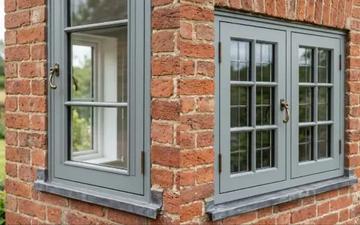
A conservation area protects the character of a place. Replacement windows that change that character can need permission even when the same change would be ignored on a modern estate. What counts as a change is the material, the colour, the opening pattern, the glazing bars and the thickness of the frame. A flush sash in a careful colour is sometimes acceptable. A chunky white casement in place of a timber sash often is not.
Look at the council’s conservation guidance and at recent decisions on your street. A neighbour who fitted plastic in 2009 is not a precedent if the council has tightened up, and a neighbour who was refused last year is a clue you should not ignore. Article 4 directions are the extra twist: they can remove permitted development so that even small changes need an application. If an Article 4 is in force, read what it controls. Some cover windows specifically.
Listed buildings
Listed building consent is required for works that affect the character of a listed building, inside and out. Windows are often part of that character. Replacing them, cutting vents into them, or double-glazing them can all need consent even if you think you are being faithful. The listing may cover the whole building, not only the front.
Repair of the existing sashes is often the conversation the officer wants first. If replacement is justified, the drawing should show sections, materials and bar patterns. We can survey and photograph. An application is a planning process with its own timetable. Build that into the project before you demolish anything.
New openings are not replacements
A new window in a blank wall, a bigger opening for bifolds, or a bay that did not exist, is not a replacement. It is an alteration to the elevation and often to the structure. Planning, building control and a lintel design can all apply. The door brochure does not include them. If you are knocking through, get the opening designed, then the windows measured.
What to gather before you order
- Whether the house is listed, and at what grade
- Whether it sits in a conservation area
- Whether an Article 4 direction covers windows
- Photos of the whole elevation, not one frame
- Any previous approvals or refusals
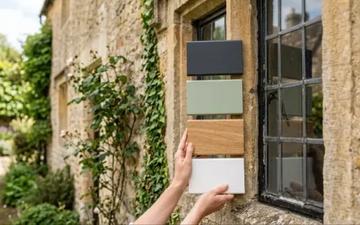
- A specification that names material, colour and bar pattern
When to book a survey
Book a survey once you know the constraints, or book it to help you describe the existing windows before you speak to the council. Tell us if you have already been warned by a planner. We will not start a manufacturing order against an open consent question.
If the house is unconstrained, we still specify the windows properly for ventilation, glass and the way they sit in the reveal. Freedom from a planning application is not freedom from a bad detail.
Questions we hear on survey
My neighbour fitted uPVC. Can I?
Maybe. Their house may not be listed, their work may have been approved, or it may have been done without consent and not yet challenged. None of those is your consent.
Will flush uPVC pass in a conservation area?
Sometimes, as a considered alternative, and sometimes not. The authority decides on the elevation in front of them. We will not promise an outcome.
Do I need planning for like-for-like timber?
On an unlisted house outside extra controls, often no. On a listed building, even like-for-like can need consent. Check.
How long does consent take?
It is the council’s timetable, not ours. Do not book the fitter for the week after you submit. We can be ready to measure properly when you have a decision and any conditions.