Short answer: trickle vents are a slot ventilator in the frame that lets a controlled trickle of outside air into the room. You may need that background ventilation when windows are replaced, under Approved Document F, unless another adequate route already exists. It is not automatic on every pane, and it is not something to skip because the vents look ugly.
The short answer
Part F of the Building Regulations deals with ventilation. When you replace windows you can be making the rooms tighter. The rules exist so those rooms still get background air, not only a blast when you open the sash. Trickle vents are the usual way window companies show that background air. They are not the only engineering answer, and a vent that is glued shut is not compliance.
We are installers across Staffordshire and Cheshire, not building control. The right answer for a house depends on the rooms, the extract fans, the number of habitable rooms and whether the replacement is a repair-like swap or a tighter new specification. If you need a formal interpretation, ask building control. We will not invent a certificate.
What a trickle vent actually does
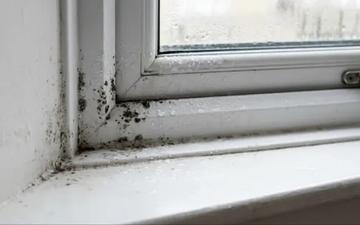
It is a closable slot, usually in the head of the frame, sometimes in an add-on section. Open, it lets a small amount of air through. Closed, it is nearly shut, not a hole. It is not an extractor. It will not clear a steamy bathroom on its own, and it will not stop a failed sealed unit misting. It can reduce stuffiness and, with heating and extract, it can reduce the room-side condensation that grows mould on cills.
The “equivalent area” is the measure that matters, not the number of plastic hoods you can count. Different vents provide different amounts of air. A quote that says “vents included” without saying where, or a quote that puts one small vent on a huge living room, is not finished. Neither is a beautiful heritage head that has nowhere for a slot if the rules say you need the air.
When replacement windows pull the question into the job
Replacing windows on a like-for-like basis in an existing dwelling is a common trigger for checking background ventilation. If the old windows were leaky, they were ventilating by accident. New seals stop that accident. The guidance then expects purpose-made background ventilation to habitable rooms, plus extract in kitchens and bathrooms. The detail lives in the current Approved Document, which changes, so we check the job rather than recite a year-old forum post.
New extensions and new dwellings are a different, stricter design. If your bifold is part of a new rear extension, the ventilation strategy belongs to the whole extension, not to a last-minute slot in the door head. Tell us if a designer or building inspector has already specified a system.
Looks, noise and draughts
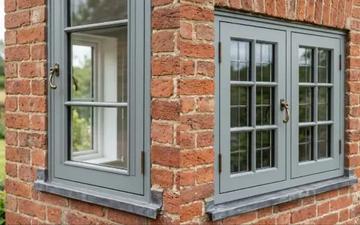
Vents are visible on the inside, and a hood or a slot is visible on the outside. On a flush sash or a sash window in a sensitive street, that is a design problem to solve, not to ignore. Through-frame vents, canopy vents and careful colour matching reduce the damage. They do not make the vent invisible. On a listed building the look may be unacceptable, in which case the ventilation strategy needs another route and, often, consent.
People hate vents because they feel a draught on the sofa. The answer is sometimes position, sometimes a different equivalent area, sometimes that the room needed extract rather than a gale at the head. Closing every vent and drying washing on the radiator will bring the mould back. If the road is noisy, an acoustic vent is a specification, not a promise of silence.
What else has to work
Background vents do not replace cooker hoods and bathroom fans that discharge outside. A fan that dumps into a cold loft is not extract. Internal doors that are tight to the floor can stop air reaching the fan; undercuts or transfer are part of a proper scheme. We will notice a bathroom with no fan. We will not redesign a whole house ventilation system on a window quote unless that is the job you asked for.
Condensation between the panes is still a failed unit. Do not buy vents to cure misted glass.
What the quote should say
- Which openings have vents, and the type
- A statement that equivalent area will suit the rooms, or that a designer’s strategy is being followed
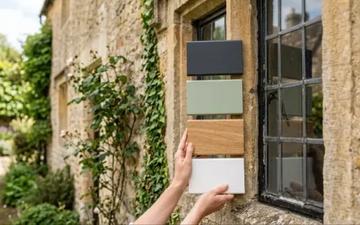
- Colour of the vent canopy
- What is excluded — for example if you are keeping a separate ventilation system
- That vents will be left operable, not foamed over
- Any conservation constraint that changes the approach
When to book a survey
Book a survey and mention ventilation at the start if you hate the look of vents, if the house is listed, or if an inspector has already commented. We will look at the heads of the frames, the fans and the rooms, and we will say if a standard canopy would spoil the sash line. Where the rules and the street disagree, you need that said before manufacture, not on fit day.
Questions we hear on survey
Can I refuse trickle vents?
You can refuse them on the quote. You cannot repeal the regulations by preference. If background ventilation is required and you do not want slots in the frame, we need another adequate provision, agreed properly, not a wink.
Will vents make the house colder?
They let in a controlled amount of outside air, which is the point. A house that only stays warm by being sealed shut is often the house with wet cills. Heating and ventilation are a pair.
Do doors need them too?
Sometimes the strategy counts door vents, sometimes it does not. Do not assume a letterbox is a trickle vent. We will follow the job, not a habit.
Can you hide them in the plaster line?
Sometimes the slot sits in an add-on or in a position that is quieter visually. We will not hide them by blocking them. If they cannot be seen and cannot be opened, they are not there.