Short answer: uPVC suits most replacement work when you want low upkeep and a wide choice of flush or casement profiles. Timber suits listed and very traditional houses where the material itself is the point. Aluminium suits slim sightlines, large openings and contemporary houses. None of them is “the most efficient” until the glass and the size are specified.
The short answer
People ask for the best material as if one answer fitted a terrace in Stoke and a new-build in Cheshire. It does not. The frame material changes appearance, maintenance, maximum sizes and price. The glass, the install and the ventilation change comfort. A poor timber window and a poor uPVC window fail for different reasons, but both fail if the opening is wrong or the seal is an afterthought.
Start with the elevation. If the planner or the conservation officer has already said timber, the comparison is over. If the house is a standard cavity wall with white or grey frames, uPVC and aluminium are both realistic. If you want storey-height glass or very thin frames, aluminium usually earns its place. If you want the grain, the paint and the repairability of wood, specify timber and budget for it properly.
uPVC: what it is good at
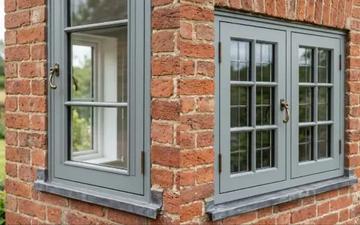
uPVC is the frame most UK replacements are made from, for a reason. It does not need painting, it is available in white and a wide foil range, and there are flush systems that sit more calmly on older brick than early plastic ever did. Hardware, vents and glass are familiar, and a competent fitter can remove and replace most domestic openings in a day per elevation if access is normal.
The limits are sightline and scale. Thick frames steal glass on small cottage windows. Very large sliders and bifolds often move to aluminium because the profile can be slimmer for the span. Dark colours need a system that is designed for heat build-up; not every white profile should be wrapped in anthracite and hoped for. And uPVC is still plastic: some conservation areas will accept a flush foil, and some will not.
Timber: what you are actually buying
Timber is the right conversation when the building is listed, when the existing windows are sound enough to repair, or when you want a painted or stained finish that can be maintained for decades. A good timber window is not “old-fashioned uPVC”. It is a different product: joints, glazing method, decoration, and a maintenance cycle you have to accept.
Softwood and engineered or modified timbers behave differently. Factory paint is not the same as a brush coat after the scaffold comes down. If the quote is silent on species, finish, glass and who repaints, it is not a timber quote yet. Also separate repair from replacement. On some period houses the honest advice is to overhaul the existing sashes, not to rip them out because a brochure showed a similar bar pattern.
Aluminium: when the frame should disappear
Aluminium is chosen for slim outer frames, sharp corners, dual colour, and openings that are too wide or too tall for a comfortable uPVC section. Entrance screens, sliding doors and contemporary casements are its home ground. Thermally broken aluminium is a different product from old cold aluminium; the quote should say the system is thermally broken and should show performance for the actual size, not a centre-pane figure from a tiny sample.
It is rarely the cheapest route to a like-for-like white casement on a semi. You pay for the sightline and the span. On a traditional street, a very slim metal frame can look harsh unless the proportions are designed, which is why steel-look aluminium exists as its own comparison. If you want Crittall character, read that as a sightline question, not as “any aluminium”.
Upkeep, colour and heat
uPVC is wiped, not painted. Hinges and locks still need a drop of attention, and failed sealed units are a glass issue in every material. Timber needs a finish plan: south-facing elevations in Staffordshire weather will tell you if the coating was thin. Aluminium powder coat is durable, but a damaged corner is a refinishing job, not a wipe with cream cleaner.
Dark frames in full sun move and get hot. That is true of foil uPVC and of aluminium, in different ways. Ask what the supplier allows for anthracite or black on a south elevation, and whether vents and glass coatings are part of keeping the room usable in July, not only warm in January.
How to compare three quotes without getting lost
Put the three materials on one schedule of openings. Same widths, same heights, same cills, same colour intent. Then read down the page for the things that actually change the price: profile name, glass build-up, colour, handles, vents, scaffold, and making good. A timber quote that includes decoration and a uPVC quote that assumes you keep the old cills are not comparable totals.
- Named system, not just the material
- Whole-window energy figure for your size and glass
- External colour and internal colour separately
- Who surveys, who fits, and who guarantees the install
- Planning status if the house is listed or in a conservation area
- Maintenance the household will actually do
When to book a survey
Book a survey once the material is down to two options, or sooner if the house is old, listed, or has bays. Photos of the whole elevation help; a tape measure across one pane does not. We can put uPVC flush, aluminium and, where it is the right specification, timber side by side in writing for homes across Staffordshire and Cheshire.
If you are unsure, come to the showroom and look at full frames. The decision is usually obvious once the sash line, the colour and the handle are in the room rather than on a phone screen.
Questions we hear on survey
Is aluminium always warmer than uPVC?
No. Warmth depends on the thermal break, the glass and the size. A well-specified uPVC window can outperform a poorly glazed aluminium one. Ask for figures for your openings.
Will timber rot if I choose it?
It can, if water sits in the joints or the finish is neglected. Factory-finished timber, correct cills and a realistic repaint cycle are the controls. Rot is a maintenance and design issue, not a reason to pretend every period house should be plastic.
Can I have timber outside and a low-upkeep inside?
Aluminium-clad timber is the usual answer: timber inside, metal weather face outside. It is its own price and its own sightline. Do not assume a uPVC foil is the same product.
Which should I pick for a rental?
Usually a robust uPVC or aluminium specification with a written install guarantee, because you will not be there to repaint. Still name the system. “Cheapest white” is how landlords buy draughts.