Short answer: two quotes for a “1800 by 1200 window” differ because they are rarely the same window. The profile, the colour, the glass build-up, the cill, the access and the contract — supply-only or surveyed and fitted — move the price by more than the centimetres do.
The short answer
Size matters, and it is not the main event. A white standard casement in easy ground-floor access is a different manufactured object from a dual-colour flush window, with laminated glass, a bay coupling and scaffold, on a street with nowhere to park. Both can be written as the same width and height. Households then think the dearer installer is padding the labour. Sometimes labour is dearer. Often the product is not the product they think they compared.
We price work across Staffordshire and Cheshire from a schedule. When someone brings two totals that are thousands apart, we spread them into lines. The gap is usually visible in twenty minutes, and it is usually specification, not a personality clash.
Profile and brand
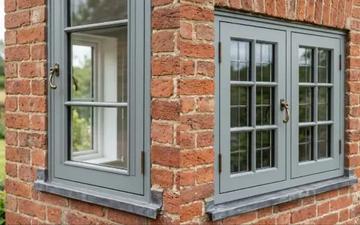
uPVC is not one material in one thickness. Chamber count, reinforcement, weather seals and the geometry of the sash all change cost. Flush systems that sit in line with the frame cost more than a basic overlapping casement. Aluminium and timber sit in different factories again. If quote A is a mid-range white casement and quote B is a flush dual-colour, you are not shopping the same aisle.
Brand names help only when the exact system is written down. “Good German profile” is not a line item. Neither is “as discussed in the showroom”.
Colour, glass and hardware
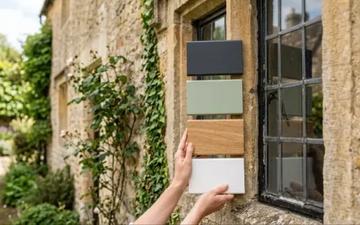
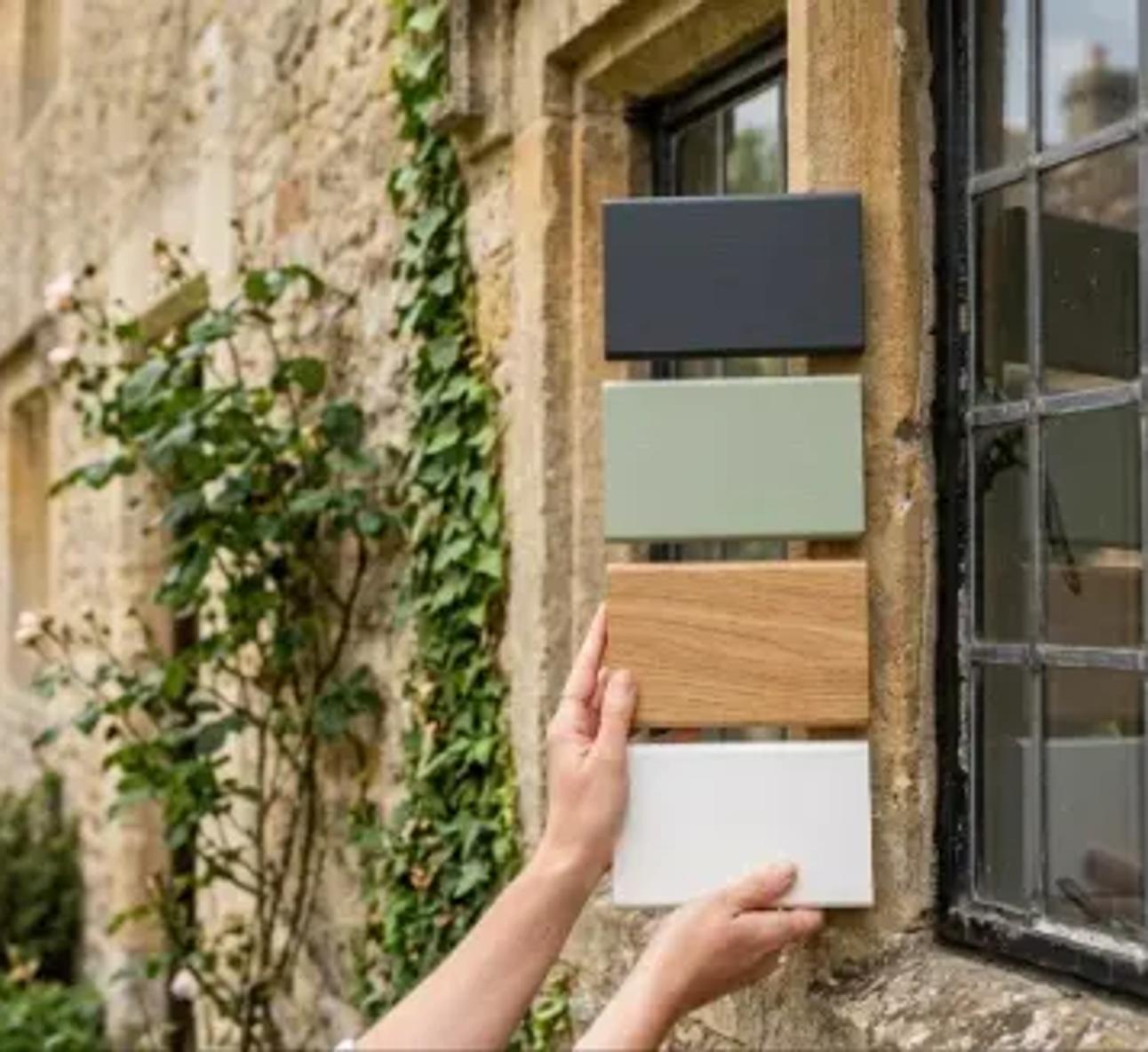
White is the reference price in most uPVC systems. Foil, dual colour and some painted finishes are a different order. Anthracite outside and white inside is one of the most common upgrades we write, and it is not free. Glass is the other silent gap: clear annealed double glazing versus a low-emissivity coating, argon, a warm-edge spacer, obscure glass, or laminated safety glass. Acoustic glass for a road in Stoke is a different unit from the quiet-courtyard default.
Handles, hinges, child restrictors, egress friction stays and trickle vents are small on a brochure and real on a schedule of fifteen openings. Multiply a modest extra by every window and the “same size” story falls apart. So does a quote that includes decorative bars on the sample and omits them on the paper.
The building, not the brochure
Access is money. A ground-floor rear window with a path is not a staircase window over a conservatory roof. Scaffold, a longer carry, or a day when the street must be suspended changes the job. So does the state of the opening: plaster that falls off, a timber subframe that is part of the bay, asbestos cement that stops the job, or a cill that has to be rebuilt rather than covered.
Making good is the other divider. One quote ends at silicone. The next includes patching reveals so a decorator can work. Neither is wicked. They are different promises. Bay windows, coupled frames and structural posts should be their own lines because the risk sits there, not in the average bedroom.
Who is on the hook
A supply-only price from a fabricator can look dramatically lower because you, or a fitter you still have to find, own the survey errors, the breakage and the callback. A supply-and-fit price from a company that surveys, installs and warranties the labour is a larger promise. Comparing them as if they were the same basket is how people feel robbed by arithmetic.
Guarantee length without a named party is theatre. Ask who pays if the unit mists, and who comes back if the sash drops. A fitter who has already left the trade, plus a fabricator who never saw the opening, is a cheap quote with an expensive second chapter. Payment schedule matters too: a huge deposit before survey is not a discount, it is a risk transfer.
How to make the numbers comparable
- One line per opening, same rooms on both quotes
- System name, colour in and out, cill and handles
- Glass build-up, not “double glazed”
- Vents, bars, safety glass, egress
- Supply-only or supply-and-fit, in words
- Scaffold, waste, making good
- VAT, deposit and what the surveyed size can change
When to book a survey
Bring both quotes to the survey if you want. We will measure the openings and tell you which lines are the same product and which are a cheaper window wearing the same width. We will not match a specification we have not seen, and we will not invent a discount to land on someone else’s unexplained total.
The quote form is the right start. After the visit you should have paper that explains itself, for a house in Newcastle-under-Lyme, Stoke-on-Trent, Cheshire, or wherever the openings actually are.
Questions we hear on survey
Should I always pick the middle quote?
No. Pick the quote that specifies the window you meant, from people who will survey and stand behind the fit. The middle total can still be the wrong product.
Is a big discount a warning?
A discount from a written specification can be a commercial decision. A discount from a number that was never specified is just a new number. Ask what was removed.
Do bigger windows always cost more per opening?
Usually they cost more in total, and sometimes less per square metre, until glass, craning or a lintel changes the job. Shape and access can beat size.
Can you price from my measurements?
We can talk budget from them. We will not lock a contract to them. Openings lie, and plaster lies more.